Occupational Health consultancy

Occupational Health consultancy serving Dorset and Hampshire.
- Bournemouth
- Ringwood
- Fawley
- Holbury
- Dorchester
- Weymouth
- Dibden Purlieu
- Christchurch
- Lymington
- Southampton
- New Forest
- New Milton
- Brockenhurst
- Lyme Regis
- Dorset
- New Forest
- Hampshire

Occupational Health
We offer a full range of services to includ DSE Assessments, Occupational Health, Health Surveillance, Night Worker Assessments, Hearing Tests, Industrial Audiometry.
We work with you, tailoring our services to the specific needs of your business. Addressing health and safety shouldn’t be seen as a regulatory burden; it can offer significant opportunities including
- Reduced costs and risks – employee absence is lower, accidents are fewer; the threat of legal action is lessened.
- Improved standing among suppliers and partners.
- A better reputation for corporate responsibility among investors, customers and local communities.
Specialising in providing Occupational Health supporting companies across a range of industries. We aim to help our clients:
- Reduce the cost of health and safety compliance.
- Provide peace of mind, enabling companies to focus on their core business.
- Ensure compliance that is proportionate, cost effective and relevant to the working environment.
- Provide and maintain a safe and healthy working environment.
- Employers’ have a legal duty to create a safe and healthy working environment. A Health and Safety Audit addresses all relevant aspects of management and workplace risk. The comprehensive report that is produced following the audit provides a road map for full compliance with all relevant legislation.
Occupational Health
We offer a service providing health surveillance inc lung function, hearing, eyesight, HAVS. new-employment questionnaires and medicals, absence management, long-term sickness reviews, return to work medicals, industry specific medicals and a full range of specialist occupational health services.
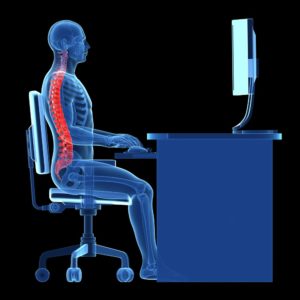
DSE Computer Workstation Assessment
A DSE Assessment evaluates the hazards for employees who regularly use computer equipment, including laptops and mobile devices. Our solutions include online or form based self assessments, face to face assessments with a consultant or training of your own staff to carry out the assessments.
Occupational Health Stress Audit
Stress related illnesses cause more lost time at work than any other factor. We can carry out a management level Stress Audit to assess stress levels and to ensure compliance with HSE case law.
Health Safety Executive
Occupational Health
As an employer, you are required by law to prevent physical and mental ill health in your workers that may occur as a result of your business activities. Your risk assessment will help you decide what actions you need to take to do this.
An important part of occupational health is concerned with how work and the work environment can impact on workers’ health, both physical and mental. It also includes how workers’ health can affect their ability to do their job. Put simply this means the effect of work on health and that of health on work.
In health and safety law, there are things you must do to make sure workers’ health is not adversely affected by their work and that workers are medically fit to carry out their work safely. This includes:
- implementing health or medical surveillance when necessary
- ensuring workers are medically fit to undertake the role required (your industry may produce such standards)
- reviewing your risk assessment when a worker is returning to work following sickness absence or declares a health condition
There are other things that you should do where workers have health conditions or disabilities, either work-related or not. This includes complying with equality legislation when supporting workers both in and returning to work.
There are things that you could do which are aimed at improving the general health and well-being of workers. However, these actions should not be prioritised over the things you must do, should be based on your workers’ needs and be evidence based.
Where health surveillance is required, it is normally set up and delivered with input from a competent occupational health professional, for example an occupational health doctor or nurse.
To ensure you buy the right support, you should:
- know your health needs – this should be based on your risk assessment
- use your resources in the most cost-effective way by using a risk-based approach to occupational health
- consider if you are buying occupational health support for health surveillance only or if you also need support related to other occupational health activities, for example, safety critical medicals or managing sick leave
- understand the services you require to help you choose an occupational health professional with the right skills and competence
- assess occupational health professionals’ competence to provide the services that you need, including experience relevant to your type of workplace
- ask for a visit from an occupational health doctor or nurse to ensure they have observed your work activities. It is vital that they understand your health hazards and risks
- seek assurance from the occupational health professional that they can provide the services that you require perhaps by asking for testimonials from previous customers
Alongside agreeing a contract, you should discuss and agree with the occupational health professional the detail of a service level agreement. The information they supply you with should be clear and in a user-friendly format. A service level agreement should include:
- the services that will be provided. This needs to be agreed at the outset of any contract and revisited whenever the contract is renewed
- involvement in workplace visits and the risk assessment process
- the resources required to deliver the service you need, including:
- numbers of staff, skill mix, which considers staff competency
- location and method of delivery of services
- the process for referrals to the occupational health professional, including:
- timescales for appointments, managing missed appointments
- closing cases with and without referral for further investigations
- referral of workers for further investigations
- a system to help you populate the information required for statutory health records
- assurance of adequate systems to protect workers’ confidentiality and maintenance of medical records:
- that is compliant with General Data Protection Regulations
- including a system for transferring medical records (paper and electronic) should you change provider
- how the occupational health professional will ensure that any equipment used is calibrated and records of this are maintained
- the frequency of health surveillance
- what you will do with workers who are found to have work-related ill health who:
- may no longer be fit to be exposed, or
- whose exposure may have to be limited
- the communication pathways between you and the occupational health professional, including:
- format and timescales
- what information you agree to provide, for example risk assessments, job specifications
- communication between human resources, line managers and other relevant staff
- what information the occupational health professional agrees to supply to you to enable you to manage your workers, for example fitness for work statements following health surveillance (individual and grouped anonymised); where applicable letters on fitness to work following safety critical assessments and managing sick leave
- provision of additional data and statistics
- dispute resolution process
- how you will review the performance of your health surveillance scheme, changes in business needs, including how new hazards, processes and controls will be managed
- governance arrangements implemented by the occupational health professional or provider; this should include the detail of their audit and review processes

Occupational health professionals can work as independent professionals or as part of an occupational health provider service, and can include doctors and nurses.
Occupational health professionals have duties under section 3(1) of the Health and Safety at Work etc Act 1974, which covers the general duties of employers and self-employed to people other than their employees.
These duties require occupational health professionals to carry out their undertaking in such a way as to ensure, so far as is reasonably practicable, that they don’t expose people not in their employment to risks to their health and safety.
The following information will help you assess the competence of an occupational health professional to carry out health surveillance. You should:
- choose an occupational health professional with the right skills and competence for the roles that you need them to undertake
- ask to see their professional qualifications relevant to the duties you need them to undertake
- see evidence of a system of continued professional development and clinical governance

Occupational Health
- Bournemouth
- Ringwood
- Fawley
- Holbury
- Dorchester
- Weymouth
- Dibden Purlieu
- Christchurch
- Lymington
- Southampton
- New Forest
- New Milton
- Brockenhurst
- Lyndhurst
- Winchester
- Poole
Occupational Health
NEWS
Prime Minister Rt Hon Rishi Sunak, MP announced plans today to review the fit note system for people not well enough to work.
Fit note certification should include an active review, with a triaged referral to an occupational health professional to support people remaining at, or returning to, work. A lack of basic skills in occupational health is a barrier to using the fit note to its full potential. SOM is calling for fit notes to be reviewed by health professionals trained in occupational health, with occupational health included in clinical and medical training curricula.
Only 50% of UK employees have access to occupational health and there is a pressing need for Government to fund occupational health services to ensure that potential workers with health difficulties can remain at or return to work.
As the Prime Minister states, the fit note is not being used to its full potential, unfortunately with fit notes generally focusing on the ‘not fit’ for work option, rather than the ‘may be fit for work’ section. Over a third of fit notes are issued for five weeks or longer, by which time around one in five people will never return to work.
When people see their GP team, they can often expect an all or nothing ‘sick note’. This makes it harder to manage expectations and come to a shared decision about using the ‘may be fit for work’ option. Discussing the merits of the ‘may be fit for work’ section, or a shorter review period before reassessment can be perceived as punitive by patients who expect to get ‘signed off’ and find it difficult to understand why their GP team would challenge this. That is why SOM is calling for tailored occupational health advice to be made available to patients who receive the fit note – with better use of the ‘may be fit’ for work section.
The Prime Minister also followed up comments made by Mel Stride, MP, the Work and Pensions Secretary of State, who recently stated his concern about the impact of mental health issues on work and suggested the normal anxieties of life are not mental health issues. SOM believe that employees still require good support from managers, and occupational health, if a health conversation is needed. There is very strong evidence that workers who have a manager who enquires about, and supports, their health enjoy better mental health and are likely to be more productive.
People who do have medically diagnosed mental health issues need appropriate support and a working environment where they can disclose their condition. For many, work is part of that support. We know good work is good for you.
The UK can achieve both workplace productivity gains and good wellbeing for employees. NHS professionals should be resourced to have time to have work related conversations; and employers should offer evidence-based support to people.
A leading researcher in this area, Gwenllian Wynne-Jones, Professor of Nursing at Keele University, said:
“There is a clear need for better support for those struggling at work through better access to occupational health. However, we must ensure that we don’t disassociate the health system and healthcare professionals from supporting people to work. Effective management of sickness absence requires all stakeholders to be engaged in supporting people to manage their health at work.”